The Healing Power of Music - The NF Journey Part Two
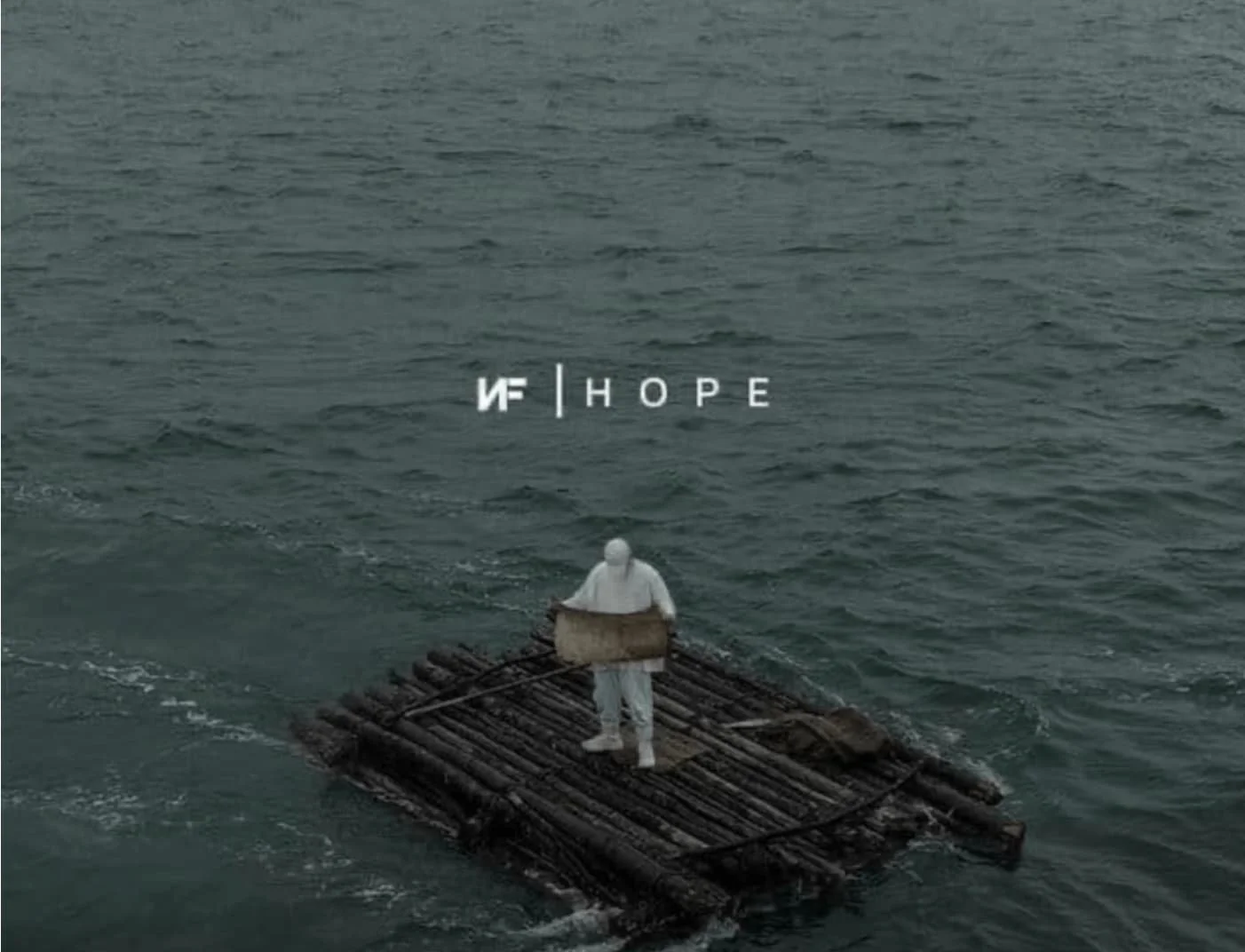
Album artwork from NF’s Hope (2023)
There’s a line in NF’s song Happy that hits a little too hard for a lot of people:
“Been this way so long it feels like something’s off when I’m not depressed.”
Oof.
Because for a lot of highly sensitive people, trauma survivors, perfectionists, anxious overthinkers, and outsiders, emotional struggle eventually stops feeling unusual.
It starts feeling familiar.
Sometimes even safe.
When your nervous system has spent too many years bracing for disappointment, criticism, rejection, chaos, or emotional pain, calm can feel weirdly uncomfortable.
Like something must be wrong.
Like you’re forgetting something.
Missing something.
Waiting for the other shoe to drop.
That’s part of what makes NF’s Hope album resonate so deeply with so many listeners.
Not because it offers easy optimism.
But because it captures the deeply uncomfortable process of trying to heal when struggle has become part of your identity.
*If you missed Part One of this series, you can read it here:
The Healing Power of Music: The NF Journey Part One
When Anxiety Becomes Your Baseline
One of the reasons NF’s music connects so strongly with people dealing with anxiety, depression, trauma, OCD, emotional overwhelm, or chronic self-doubt is because he doesn’t romanticize suffering.
But he also doesn’t rush past it.
He stays inside the experience long enough to tell the truth about it.
The mental loops.
The shame.
The exhaustion.
The self-surveillance.
The strange loneliness of looking functional while internally unraveling.
A lot of people know this feeling intimately.
You become so accustomed to carrying stress that your body stops recognizing it as stress.
Hypervigilance starts feeling like responsibility.
Overthinking starts feeling productive.
Emotional exhaustion starts feeling normal.
And eventually, rest itself can feel disorienting.
For some people, happiness doesn’t feel natural at first.
It feels unfamiliar.
Hope Isn’t About Becoming a Different Person
NF’s fifth studio album, Hope, marked a noticeable shift in tone from some of his earlier work.
Not a complete transformation.
Not a sudden cure.
Not a tidy “everything gets better” storyline.
Honestly, that’s part of why the album works.
Healing rarely happens in a straight line.
People who live with anxiety, depression, trauma, perfectionism, or chronic shame often carry a complicated relationship with hope itself. Part of them wants relief desperately. Another part distrusts it.
Because hope can feel vulnerable.
If you let yourself want something better, you also risk disappointment.
In the Hope music video, NF appears dressed in white instead of his usual black clothing, visually signaling a shift many fans immediately recognized. Not perfection. Not emotional transcendence. Just movement.
A willingness to stop letting pain fully drive the narrative.
Facing Yourself Is Harder Than Staying Distracted
There’s a moment in Hope where NF reflects on hitting rock bottom and finally getting help.
What stood out to me wasn’t the idea of dramatic transformation.
It was the honesty about how painful self-confrontation actually is.
A lot of people stay busy, numb, perfectionistic, emotionally detached, hyper-independent, or constantly productive because slowing down means feeling what’s underneath.
Grief.
Fear.
Shame.
Anger.
Loneliness.
Self-loathing.
Old wounds that never fully healed.
Distraction can become survival.
So when someone begins therapy, starts healing, or even just becomes more emotionally aware, there’s often an uncomfortable period where everything feels louder before it feels better.
That doesn’t mean healing is failing.
It means your nervous system is finally stopping long enough to notice what it’s been carrying.
Why Emotionally Intense Music Helps People Feel Less Alone
For many people, music becomes more than entertainment during difficult periods of life.
It becomes emotional regulation.
A place to put feelings that don’t fit neatly anywhere else.
A way to process anger, grief, anxiety, shame, or emotional overwhelm without needing to explain yourself first.
A reminder that someone else has also felt emotionally trapped inside their own mind.
As a therapist, I think emotionally honest music matters because it interrupts isolation.
Especially for Highly Sensitive People and trauma survivors who’ve spent years feeling “too emotional,” “too intense,” “too complicated,” or fundamentally misunderstood.
There’s something deeply regulating about hearing another human articulate experiences you thought you had to carry alone.
Not because music fixes everything.
But because feeling emotionally mirrored matters.
The Exhaustion of Fighting Yourself
One of the most painful themes running through NF’s music is the constant internal battle.
The critic.
The shame.
The fear.
The self-doubt.
The pressure to keep functioning while your brain quietly turns against you.
That’s part of why songs like RUNNING hit so hard.
There’s exhaustion in finally realizing how much energy gets spent fighting yourself every single day.
Trying to outrun your thoughts.
Trying to outrun old versions of yourself.
Trying to outrun pain that keeps finding new ways to surface.
A lot of highly sensitive people live this way for years.
Externally competent.
Internally braced.
Still carrying old survival strategies long after the original danger has passed.
Healing Can Feel Unnatural Before It Feels Safe
I think this is one of the hardest parts of healing that people don’t talk about enough.
Sometimes getting better initially feels worse.
Not because suffering is good.
Not because people secretly want to stay stuck.
But because the nervous system gets attached to familiarity.
Even painful familiarity.
When chaos, criticism, anxiety, emotional suppression, or hypervigilance have been present for years, they can start to feel strangely tied to identity.
So slowing down can feel vulnerable.
Self-compassion can feel suspicious.
Peace can feel temporary.
That line from Happy lands because so many people recognize themselves in it immediately.
“Been this way so long it feels like something’s off when I’m not depressed.”
Not because people enjoy suffering.
But because healing often requires learning how to live without the constant emotional tension your body adapted to long ago.
Music, Hope, and Staying Human
NF’s music won’t resonate with everyone.
That’s okay.
But for people who’ve spent years feeling emotionally isolated, overwhelmed, ashamed, hypervigilant, or chronically misunderstood, his work often feels less like entertainment and more like recognition.
Not polished inspiration.
Not toxic positivity.
Not “good vibes only.”
Just honesty.
And honestly? Sometimes honesty is what helps people breathe again.
Maybe that’s part of the healing power of music.
Not that it erases pain.
But that it reminds us we’re not the only ones trying to survive it.
Disclaimer: This blog reflects my thoughts on mental health and isn’t a substitute for therapy. The advice is general and may not fit everyone. If you’re struggling, please reach out to a licensed mental health professional.