Highly Sensitive Soul: Why Can’t I Just Be Normal?
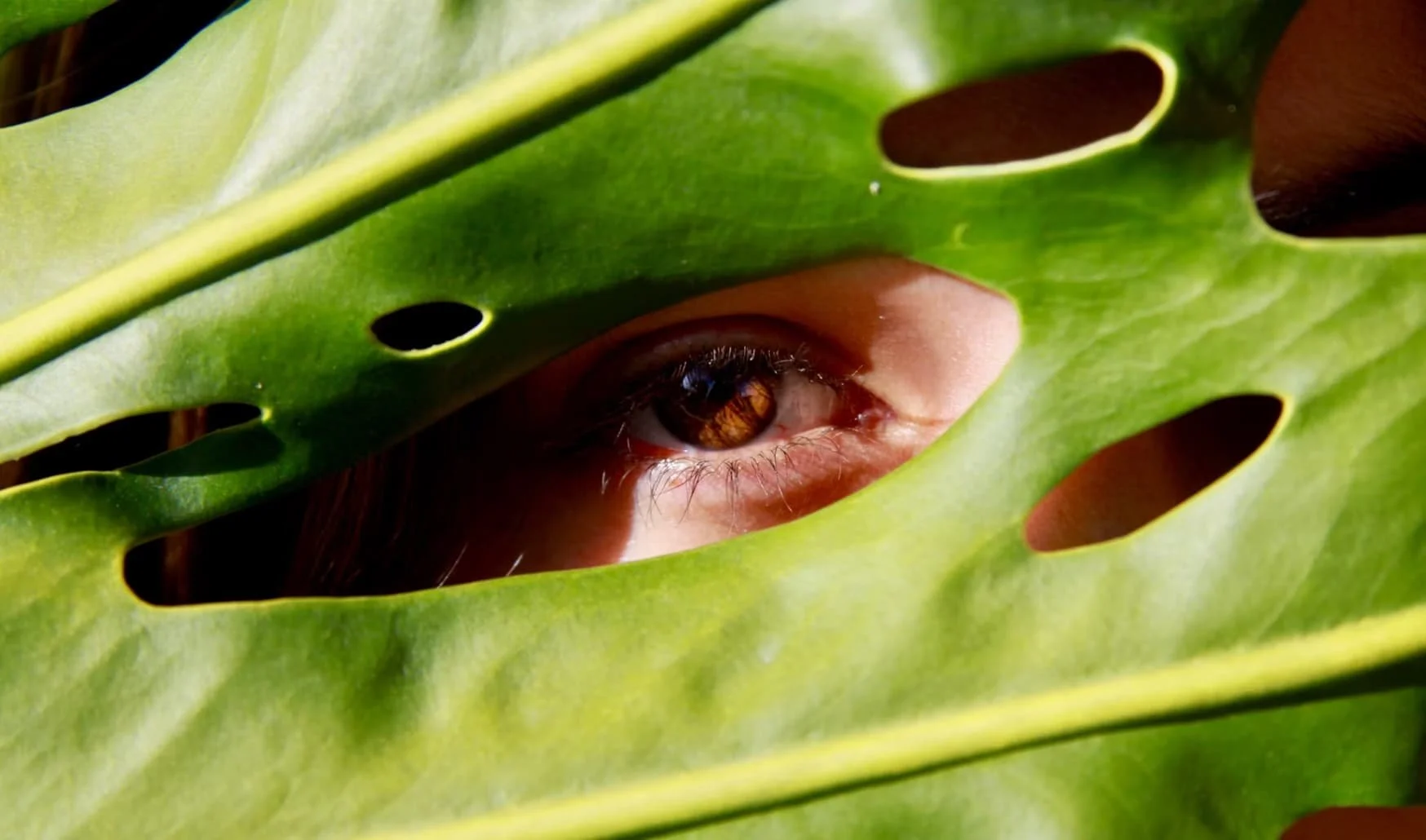
A sensitive child taking in the world. Photo by Pablo Toledo via Unsplash
Growing Up as a Highly Sensitive Child
Growing up, I was quiet, quirky, and sensitive. And I mean “Sensitive” with a capital “S.” I was “that” kid. Shy, serious, and easily overwhelmed by noises, crowded places, certain fabrics, the feeling of wool—you name it.
Disneyland? A nightmare. The smell of cotton candy, hotdogs, and SPF? Hordes of screaming children and screechy rides? No thanks. The Happiest Place on Earth felt like hell.
The mall? Torture. I’d rather climb a tree and read a book.
“You worry too much.” “Why do you take everything so personally?” “Stop overthinking everything.” “You need to toughen up.”
I heard something like this on the daily. To be fair, it did seem like I had awfully thin skin. I felt the world around me deeply, from music and movies to words and the smell of the ocean. I could tell when my parents were fighting or when my mom was mad, even if no one said a thing. Most of the time, I worried it was my fault.
I wish I had a penny for every time I asked, “What’s wrong?”
I thought being sensitive meant I was weak and boring. I hated it. I didn’t like being “picky,” but the feeling of scratchy socks on my skin was worse than asking for something different. I didn’t want to notice subtle tones of disapproval or find myself watching the faces of adults, trying to figure out if I was safe. I didn’t want to be so damn worried or overwhelmed. I certainly didn’t want to cry at the drop of a hat.
Basically, I didn’t want to be me.
Thing is, I was a very sensitive person.
Still am.
I didn’t know it then, but all these “problems” were part of being a Highly Sensitive Person (HSP). HSPs make up roughly 15–20% of the population, so my brain really does process the world differently from most people.
What Does It Mean to Be Highly Sensitive?
The term “Highly Sensitive Person” (HSP) was first used by research psychologists Elaine and Arthur Aron in the mid-1990s. They found that roughly 15–20% of people have a trait called sensory processing sensitivity, meaning they tend to process emotional and environmental information more deeply.
That doesn't mean being highly sensitive is a disorder or something that needs to be fixed. It's a personality trait. But when you're growing up in a world that doesn't seem to understand your sensitivity, it can be easy to assume there's something wrong with you.
I certainly did.
When I took the Highly Sensitive Person Scale, I scored 21 out of 22.
Yep. I’m a Highly Sensitive Person.
And once I understood that, so many things about my childhood and the way I experience the world today started to make a whole hell of a lot more sense.
When your nervous system is wired for increased sensitivity, it can sometimes feel like the volume of everyday life has been turned up to eleven. Sounds, smells, emotions, textures, and subtle changes in your environment can feel bigger, more noticeable, or harder to tune out.
We're all sensitive to certain things, but highly sensitive people tend to share some common experiences. You don't have to relate to all of them to be highly sensitive.
So, what does being highly sensitive actually look like?
9 Common Traits of Highly Sensitive People
1. Deep Processing and Analyzing
Highly sensitive people think. A lot.
Our brains tend to process information deeply, turning things over and looking at them from every possible angle. We notice details other people miss. We remember little things. We connect dots. We replay conversations and wonder what someone really meant.
It can be a superpower. It can also be exhausting as hell.
That same brain that notices the tiny details can get stuck in a loop of overthinking, worry, comparison, and “What if?” Sometimes I don't need another perspective. I need to stop thinking about it.
For me, journaling helps. A lot. Getting the “stinkin' thinkin'” out of my head and onto paper helps me let go of some of the mental noise. Paying attention to my breath, taking a few deep breaths, and giving myself permission to step away and clear my head can help, too.
2. Emotional Intensity
For HSPs, emotions can feel like a rollercoaster. We don't just feel our own emotions; we can be highly attuned to what's happening around us, too. A change in someone's tone or body language can tell us something is off before they've said a word.
Sometimes that's exhausting. Sometimes it's beautiful.
We can feel joy just as deeply as sadness, and delight in things other people might barely notice. I've cried plenty of happy tears over a beautiful song, a movie, a delicious meal, or a really good moment with family and friends.
That's one of the things I love about being highly sensitive now. I wouldn't want to turn the volume down on the good stuff just because sometimes the hard stuff is loud, too.
3. Jumpy
Loud noises? Nope.
Someone sneaking up behind me? Absolutely not.
Highly sensitive people often have a strong startle response. When our nervous systems are already taking in a lot of information, an unexpected noise or movement can send us straight into “WHAT THE F* WAS THAT?”
If someone sneaks up on me, I jump like a frightened cat.
Every. Single. Time.
It's not that I'm actually in danger. My nervous system just didn't get the memo.
4. Easily Moved to Tears
Yep. We cry.
Sometimes a lot.
Because we process emotions deeply, highly sensitive people may find themselves tearing up more easily than other people. A beautiful song. A touching commercial. Someone else's pain. A wedding. A goodbye. A really good meal. Sometimes it doesn't take much.
And if you've spent your life being told you're “too emotional” or “a crybaby,” it can be tempting to apologize for your tears.
Don't.
Your tears aren't proof that you're weak, dramatic, or unable to handle life. Sometimes they're simply what happens when you feel things deeply.
Your sensitivity isn't something you need to be embarrassed about.
5. Sensing the Subtle
What's obvious to us might be invisible to someone else.
Highly sensitive people tend to notice subtle changes in their environment and in other people. A shift in someone's tone. A fleeting expression. The energy in a room. The fact that something feels just a little…off.
Sometimes we know something is wrong before we can explain why.
And sometimes, honestly, we wish we didn't notice so damn much.
Clutter in my office? No thank you. It drives me wild. A tense conversation happening in the next room? I'm probably listening, even if I'm trying not to.
Being highly sensitive means taking in a lot of information. Learning which information actually needs my attention—and which doesn't—is a lifelong practice.

Wondering if you’re a Highly Sensitive Person? Take the quiz.
6. Overstimulation
Sometimes the world is just too damn loud.
A party with 50 people? I might go. I might also leave early.
Bright lights, background noise, strong smells, too many conversations happening at once, a packed schedule, a giant to-do list, a deadline breathing down my neck… eventually, my brain says, Nope. We're done here.
Highly sensitive people can become overwhelmed when we're taking in more information than our nervous systems can comfortably process. When that happens, we might become irritable, anxious, exhausted, withdrawn, or feel like we need to escape to somewhere quiet.
Planning ahead helps me enormously. So does breaking big tasks into smaller pieces, building in breathing room, and recognizing that needing a break isn't the same thing as being incapable.
Sometimes the most productive thing I can do is stop.
7. Perfectionism
Some highly sensitive people have a serious perfectionist streak.
When you notice every little detail, it's easy to see everything that's “wrong” or could be better. We can set impossibly high standards for ourselves, obsess over mistakes, and spend far more time than necessary trying to get things just right.
And when we inevitably fall short of our own ridiculous standards?
Cue the inner critic.
The good news is that the same attention to detail that fuels perfectionism can also be a strength. We can care deeply about our work, notice things others miss, and create some pretty amazing things.
The trick is learning when “good enough” really is good enough—and treating ourselves like human beings when it isn't.
8. Taking Things Personally
Sometimes words hurt.
Highly sensitive people tend to process comments deeply, turning them over from every possible angle. What someone else considers a throwaway comment might stick with us for hours—or days.
“Did they mean that?”
“Were they annoyed with me?”
“Why did they say it that way?”
And because we're often highly attuned to other people's feelings, we may notice the potential sting in a joke that wasn't intended to hurt anyone.
Here's the thing: not every joke is funny to you.
And that's okay.
If the joke were funny, you'd laugh.
9. Criticism Can Really Sting
The same goes for criticism.
When you process things deeply and feel things intensely, criticism can land hard. Add years of being told that you're too sensitive, too emotional, too picky, too much, or just plain difficult, and a little constructive feedback can sometimes feel like confirmation that there's something wrong with you at your core.
It isn't.
Being sensitive doesn't mean you can't handle feedback. It means you may need a little more time to process it before you can decide what is useful and what you can let go.
And maybe that's the part I wish I'd learned sooner:
Someone else's criticism doesn't get to define who you are.
When You Grow Up Thinking You're “Too Much”
Growing up highly sensitive can be hard when the people around you don't understand what you're experiencing. If you're repeatedly told you're too emotional, too picky, too serious, too anxious, or just plain “too much,” it's easy to start believing them.
You might learn to second-guess yourself. To hide what you're feeling. To people-please. To say yes when you mean no. To study the room before you let yourself relax. You might even start wondering whether being less sensitive would make life easier.
I know I spent a lot of time wishing I could just be “normal.”
But here's what I've learned: sensitivity isn't a character flaw. Being deeply affected by the world around you doesn't make you weak, dramatic, or difficult. And you don't have to turn yourself into someone you're not to be worthy of belonging.
It's time to own our weirdness.
Highly Sensitive and Proud of It
Growing up as a sensitive kid in a not-so-sensitive world was hard. I spent a lot of years wishing I could be less sensitive, less emotional, less easily overwhelmed. Basically, I wished I could be someone else.
Now, I know better.
I love that I can breathe a sigh of relief knowing that being kind of weird is just how my brain is wired. It's not a character flaw, thin skin, or because I'm bad. I'm just different.
And different isn't bad.
It's time to stop apologizing for the parts of ourselves that make us who we are. To understand our sensitivity instead of fighting it. To figure out what we need to feel safe, grounded, and well in a world that can sometimes feel like it's turned up to eleven.
So here's to proudly owning the whole beautiful, complicated, sensitive mess of who we are.
Own your weirdness. I know I am.
Many Highly Sensitive People don't just have a hard time with self-care—we criticize ourselves for needing it in the first place. If that sounds familiar, you might recognize the patterns I explore in When Highly Sensitive People Turn Against Themselves: Why the Inner Critic Takes Over.
Disclaimer: This blog reflects my thoughts on mental health and isn’t a substitute for therapy. The advice is general and may not fit everyone. If you’re struggling, please reach out to a licensed mental health professional.